Year 1 reading comprehension PDFs offer engaging, printable worksheets and interactive tools like SplashLearn, audio‑enhanced stories, and graphic organizers. They build critical thinking, compare‑contrast skills, and narrative understanding.2026!
1.1 What Makes a Year 1 Reading Comprehension PDF Effective
Effective Year 1 reading‑comprehension PDFs combine clear layout, age‑appropriate language, and interactive elements. A well‑structured PDF starts with a concise title and a brief objective that tells the child what they will learn. The text uses large, legible fonts and ample spacing so young readers can focus on the story rather than the mechanics of reading. Colourful illustrations or graphic organizers support visual learners and help anchor key ideas. Many PDFs incorporate a “compare‑and‑contrast” graphic organizer, allowing students to line up similarities and differences between characters or events, a skill highlighted in current curriculum guides. Audio narration or embedded sound clips give children a model of fluent reading and expose them to varied accents and pacing, which is especially useful for auditory learners. Interactive PDFs on platforms like SplashLearn add drag‑and‑drop or matching activities that reinforce comprehension while keeping engagement high. Finally, assessment sections with multiple‑choice or short‑answer questions let teachers gauge understanding and provide immediate feedback. When a PDF offers downloadable worksheets, printable versions, and an online companion, it supports both classroom and home tutoring contexts, ensuring that learning continues beyond the school day. Teachers can also adapt the PDF by inserting student names or customizing questions to match individual learning plans, thereby increasing ownership and motivation. Moreover, PDFs that link to supplementary resources, such as video clips or interactive quizzes, create a multimodal learning experience that aligns with modern educational standards.

Types of Readable PDFs for Year 1
Year 1 PDFs range from printable worksheets with pictures to SplashLearn sheets that let kids drag and drop answers. Audio‑enhanced PDFs add narration; printable versions support practice. All use fonts, simple sentences, and visuals to boost comprehension!

2.1 Printable Worksheets
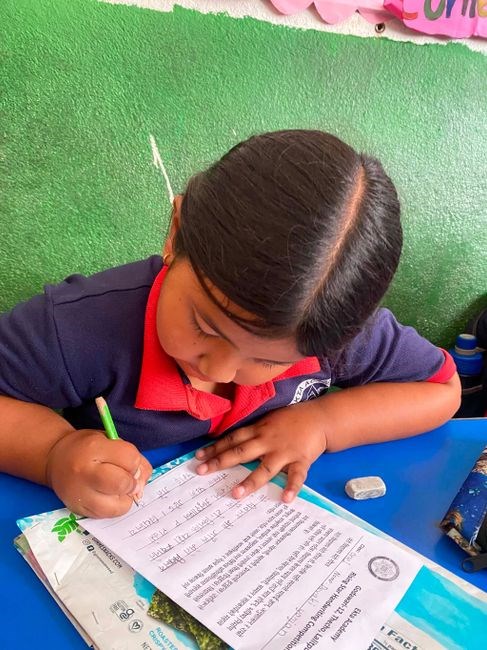
Printable Year 1 reading comprehension PDFs are crafted to capture young learners’ imaginations while reinforcing essential skills. Teachers often use these files to supplement classroom instruction, allowing students to practise locating main ideas, identifying supporting details, and making basic inferences from short passages. A typical worksheet presents a brief story or informational text followed by a series of questions that may include multiple‑choice, true‑or‑false, or fill‑in‑the‑blank prompts. Many sets also feature graphic organisers such as V‑charts or T‑charts, which help children visualise relationships between characters, events, or concepts. The inclusion of answer keys and teacher notes enables quick assessment and immediate feedback. Because the PDFs are downloadable, they can be printed in bulk or saved for later use, making them versatile for classroom, homework, or home‑tutoring scenarios. Some worksheets incorporate a brief vocabulary list and a brief reflection prompt to encourage deeper engagement. Teachers can quickly assess progress using the included answer key, making formative feedback efficient. The consistent layout across devices prevents formatting issues, keeping the child’s focus on the task at hand. Overall, printable PDFs provide a flexible, engaging tool that supports early reading development and critical thinking skills.

2.2 Interactive Worksheets via SplashLearn
SplashLearn’s interactive Year 1 reading comprehension PDFs transform passive reading into active exploration. Students click on highlighted words to hear pronunciation, drag and drop characters to sequence events, or match synonyms to build vocabulary. The platform’s adaptive algorithm adjusts difficulty based on real‑time responses, ensuring every child stays challenged yet supported. Each activity includes instant feedback, encouraging self‑correction and reinforcing learning. Teachers can embed these worksheets into lesson plans, track progress through dashboards, and download detailed reports. The interactive format also promotes digital literacy, as pupils learn to navigate hyperlinks, use on‑screen keyboards, and respond to prompts. Because the content is cloud‑based, it syncs across devices, allowing homework or after‑school practice without the need for physical copies. SplashLearn’s library features themed stories—from classic fairy tales to contemporary adventures—providing diverse contexts that spark imagination while targeting key comprehension strategies such as predicting, summarising, and questioning. This blend of engagement and analytics makes SplashLearn a powerful complement to traditional printable PDFs. Parents can also review activity logs to identify common misconceptions, enabling targeted remediation. The platform supports multiple languages, making it accessible for diverse classrooms. Additionally, SplashLearn offers downloadable PDFs of the same activities for offline use, ensuring flexibility for schools with limited internet connectivity. This resource supports inclusive learning for all students. All thrive
2.3 Audio-Enhanced Comprehension PDFs
Audio‑enhanced Year 1 reading comprehension PDFs pair vivid narration with interactive text, allowing pupils to listen to stories such as the Gingerbread Man or the Ant and the Dove while following along. The embedded audio tracks, sourced from licensed narrators, support phonics, rhythm, and intonation, reinforcing decoding skills. Students can pause, replay, or adjust playback speed, giving them control over comprehension pacing. Interactive features include clickable hotspots that trigger short quizzes or vocabulary pop‑ups, ensuring engagement beyond passive listening. Teachers embed PDFs into lesson plans or distribute them for home practice, and accompanying question sets help assess listening comprehension and critical thinking. The PDFs offer downloadable transcripts, enabling visually impaired learners to follow along. By integrating audio, these resources promote auditory memory and repeated exposure to the same text, a proven strategy for early literacy development. Parents monitor progress via built‑in trackers that log listening time and quiz scores, supporting targeted help. The combination of narrative audio and printable activities creates a learning experience aligned with Year 1 curriculum standards, fostering confidence in young readers!!
Key Themes Covered in Year 1 PDFs

Year 1 PDFs cover core literacy skills comparing simple texts, sequencing events, spotting main ideas, and exploring character motives. Activities use familiar stories, graphic organizers, and audio cues to boost comprehension andcritical thinking.
3.1 Compare and Contrast Activities
Year 1 reading comprehension PDFs frequently feature compare‑and‑contrast exercises that help young learners identify similarities and differences between simple texts or characters. A common format is a short passage followed by a graphic organizer where students list shared attributes and distinct features. For example, a printable worksheet may ask pupils to read about two amphibians—frog and salamander—and then fill columns titled “Similarities” and “Differences.” This activity not only reinforces vocabulary such as “both,” “while,” and “but,” but also encourages critical thinking as children justify each comparison point. SplashLearn offers interactive versions of these tasks, allowing children to drag and drop items into the correct category, which adds a kinesthetic element to the lesson. Audio‑enhanced PDFs provide a narrated story, after which learners answer questions that prompt them to compare the protagonist’s actions with those of a supporting character. Teachers can use the accompanying answer key to assess understanding, and differentiated worksheets allow for varying difficulty levels—simple matching for early readers and more complex sentence‑building for advanced ones. Students often create Venn diagrams to visually map similarities and differences, using comparative adjectives like “larger,” “faster,” or “more colorful.” After completing the worksheet, learners discuss their findings with a partner, fostering collaborative learning. Teachers can employ a simple rubric that rates accuracy of comparisons, use of comparative language, and clarity of explanations, ensuring consistent assessment across the class. Such activities also support early phonics by linking word families through comparison, reinforcing spelling patterns. By integrating visual aids, interactive tools, and clear prompts, these compare‑and‑contrast activities build foundational analytical skills that carry over into later reading stages.
3.2 Story Sequencing and Plot Comprehension
Year 1 reading comprehension PDFs often feature picture narratives that require children to arrange events in the correct order. A typical worksheet shows five or six illustrations and numbered sentences. Students drag the sentences to match the pictures, reinforcing the idea of beginning, middle, and end. SplashLearn lets pupils click a picture and choose the correct sentence, giving instant feedback. Audio retellings let pupils listen and answer questions that place key moments on a timeline. Teachers can use a rubric that evaluates whether the child correctly identifies the sequence, uses linking words such as “first,” “then,” and “finally,” and explains the cause‑effect relationship between events. Worksheets vary in difficulty: some focus on a single event order, while others ask students to reorder a story that includes a conflict and resolution. By integrating cues and practice, these PDFs help students develop a foundational understanding of plot structure, essential for later comprehension tasks. The activity also supports phonics by encouraging them to read and repeat sentence fragments, reinforcing strong sound‑letter correspondence and fluency. After completing the exercise, learners can discuss the story with a partner, describing why the events occurred in that particular sequence, thereby deepening their interpretive skills!

Assessment and Teaching Guides
Year 1 reading comprehension PDFs offer assessment sheets and teaching guides. They list objectives, key questions, and differentiation strategies, helping teachers track progress and tailor instruction fully.

4.1 Teaching and Assessment Guide: Cracking Comprehension
Cracking Comprehension is a Year 1 resource developed by Kate Ruttle that aligns with the national curriculum’s reading section one. The guide provides a series of picture‑based texts, such as the Gingerbread Man arriving at the river and the classic Goat Gruff, to help pupils identify key incidents and author intent. Each picture is paired with a set of targeted questions that assess comprehension, inference, and vocabulary. The guide also includes an audio retelling of the Gingerbread Man story, allowing teachers to incorporate listening practice and check oral comprehension. Teachers can download the teaching text and question sheets, which are formatted as printable PDFs for easy classroom use. Additionally, the guide offers modelling software links that demonstrate how to scaffold questioning techniques and differentiate support for learners who need extra help. By using this resource, educators can assess reading fluency, identify misconceptions, and provide immediate feedback, ensuring that Year 1 pupils build a solid foundation in comprehension skills. The downloadable PDFs also include teacher notes, suggested extensions, and a quick assessment rubric, making it easy for educators to adapt the material to diverse learning styles and pacing needs. Students can annotate the PDF, fostering active engagement.
4.2 Differentiated Reading Comprehension Activities
Year 1 students differ in reading speed, vocabulary, and visual‑spatial skills. Differentiated PDF activities let teachers tailor tasks while keeping the core narrative consistent. A base story, such as “The Ant and the Dove,” is paired with three tiers of questions on separate PDF pages: basic recall for emerging readers, inference prompts for developing readers, and analytical queries for advanced readers. Colour‑coded headings signal difficulty, and graphic organisers like V‑charts appear as fill‑in‑the‑blank tables that students can annotate directly. High‑contrast images cue key plot points for visual learners. Embedded audio files read the story aloud, linked to the PDF pages so pupils can follow along. The PDFs also contain a “teacher’s guide” section that suggests scaffolding strategies—modeling questioning, using sentence starters, and pairing stronger readers with peers for discussion. Parents can download the same PDFs for home use, practicing with their child and tracking progress with built‑in checklists. The PDFs are printable, displayable on the board, and compatible with screen readers for students with visual impairments. By offering these differentiated resources, educators ensure every child engages with the material at an appropriate challenge level, promoting confidence and mastery in reading comprehension. The PDFs can be annotated with pens, letting students highlight and add reflections for teachers to review during assessment in class daily!

Practical Uses and Resources
Year 1 PDFs are versatile: teachers print worksheets for class drills, use audio‑enhanced files for group reading, and share links to online repositories. Parents download the same PDFs to practice at home, track progress, and reinforce concepts.!!!
5.1 Classroom Implementation
Teachers can integrate Year 1 reading comprehension PDFs into daily lessons by distributing printable worksheets that focus on compare‑and‑contrast activities, story sequencing, and plot comprehension. A typical lesson might begin with a short audio retelling of a familiar tale, such as the Gingerbread Man, followed by a guided discussion. Students then complete a graphic organizer worksheet that asks them to identify key events and compare two characters or settings. The PDF’s interactive elements—clickable links to additional resources or embedded quizzes—allow teachers to assess understanding in real time; For differentiated instruction, educators can group students by proficiency, assigning simpler PDFs to emerging readers while providing more complex texts for advanced learners. Classroom technology can be leveraged by projecting PDFs onto a smart board, enabling collaborative annotation. Finally, teachers should collect completed worksheets for formative assessment, noting common misconceptions and adjusting subsequent lessons accordingly. Teachers can also share completed PDFs with parents via email, encouraging home practice. The PDF format ensures compatibility across devices, making it easy to print or view on tablets. By rotating topics weekly, educators keep students engaged and track progress over the term. Additionally, teachers can embed quizzes within PDFs to provide instant feedback, helping students identify gaps in understanding. This approach aligns with curriculum standards and supports differentiated learning!!!
5.2 Home Tutoring Support
Parents and tutors can use Year 1 reading comprehension PDFs as a flexible, low‑cost resource for home learning. The PDFs include printable worksheets that cover compare‑and‑contrast, story sequencing, and plot comprehension, allowing learners to practice independently while still receiving guided feedback. A home session with so story, followedby worksheet that asks the child to identify main events and compare two characters. Tutors can pause the audio, ask clarifying questions, and then let the child fill in the graphic organizer. Because the PDFs are downloadable, parents can print multiple copies for group work or for children who prefer paper. For those with tablets, the interactive elements—such as clickable prompts that reveal hints—help maintain engagement. Tutors should review completed worksheets each week, marking correct responses and noting any misconceptions. They can then tailor the next PDF to address gaps, ensuring progressive skill development. Additionally, many PDFs come with answer keys, enabling tutors to provide instant feedback without needing to consult external resources. This approach supports differentiated learning, encourages independent reading, and builds confidence in Year 1 students.
5.3 Downloadable PDF Repositories

Year 1 reading comprehension PDFs are widely shared across several online repositories, each offering a range of printable worksheets, audio‑enhanced stories, and interactive activities. Popular sites such as TeachersPayTeachers, Education.com, and the UK’s Gov‑UK provide free and paid downloads that align with national curriculum standards. Many repositories host PDFs that focus on compare‑and‑contrast exercises, plot sequencing, and character analysis, allowing teachers and parents to select resources that match a child’s reading level. Some platforms offer searchable databases for filtering by topic or format (e.g., printable, interactive). For example, the “Year 1 Reading Comprehension” collection on TeachersPayTeachers includes over 200 worksheets, each with clear objectives and answer keys. In addition, the UK’s “Reading for Pleasure” hosts a library of PDFs that emphasize comprehension. When downloading, it is advisable to check the file size and compatibility with your device, as some PDFs contain embedded audio or interactive elements that require Adobe Reader or a compatible viewer. Finally, many repositories provide a subscription option, granting access to a growing library of resources and updates, which can be useful for educators looking to keep their materials current. These resources are downloadable, printable, and ideal for home everyday, essential use for teachers and parents in the classroom online.